
"multi-trunk pruning"
2390 article(s) found

Delicious, rich and mellow Honduran coffee beans
Honduran coffee beans are larger in shape, uniform in size, uniform in color and shiny. To make harvesting easier, farmers prune coffee trees to no more than 150 centimeters, which requires a ladder to pick, which takes time and can damage the tree by bending branches. Due to the different maturity stages of each fruit of coffee beans, it is necessary to keep the coffee beans good.

Introduction to the Flavor of Coffee varieties in the Origin of Coffee in Saint Roman Manor, Costa Rica
All the coffee trees planted in Costa Rica are Arabica coffee trees. through improvement, the quality of coffee beans is better and more stable. in order to facilitate picking, coffee trees are kept at a height of about 2 meters through continuous pruning. The coffee that people eat is the taste of the seeds in the fruit that are brewed in water. After picking raw coffee beans, the peel, pulp, seed film and sun exposure must be removed.

African coffee beans, ancient Ethiopian coffee, three cultivation of Ethiopian coffee.
Professional coffee knowledge exchange more coffee bean information please follow coffee workshop (Wechat official account cafe_style) Qianjie Coffee today introduces Ethiopian coffee, Ethiopia has the world's most diverse coffee ecosystem (forest coffee, semi-forest coffee, pastoral coffee and plantation coffee), which allows its rich Arabica genes to be preserved, plus sun exposure,

Very balanced Honduras San Juan Hito Fine coffee cultivation Location Climate Elevation
The coffee beans of Honduras are large in shape, uniform in size, uniform in color and shiny. To facilitate harvesting, farmers prune coffee trees to no more than 150 centimeters, which requires ladders to be erected because it is too tall, which not only takes time, but may damage the tree by bending the branches. Since the maturity of each fruit of coffee beans is different, it is necessary to maintain the good quality of coffee beans.
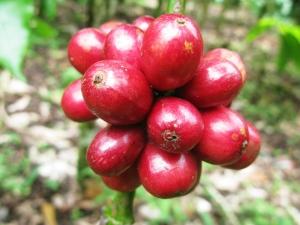
Coffee bean production decreases Central America is badly hit by coffee rust
Currently, 13 of El Salvador's 14 provinces are affected by coffee rust. A similar situation has occurred in Nicaragua, where small farmers have been hit hard by coffee rust. In Central America, especially Costa Rica, Honduras and Guatemala, coffee rust was successfully controlled within two years through innovative coffee cultivation, pruning and proper fertilization.

Common diseases and pests in coffee cultivation and their control methods
It is distributed in all coffee producing areas in the world, and it also occurs in Yunnan, Guangxi and Hainan Island in China. It is one of the major pests of coffee. The coffee tiger longicorn beetle harms the coffee trunk for more than 2 years and begins to eat between the cambium and the xylem.

The history of the establishment of Fire Phoenix Manor in Costa Rica the annual output of coffee beans
The annual output of coffee beans planted in Costa Rica is planted in Arabica. Through improvement, the quality of coffee beans is better and more stable; in order to facilitate picking, coffee trees are maintained at a height of about 2 meters through continuous pruning; the coffee that people eat is the taste of seeds in the fruit that are soaked in water. Picking students

Flavor description of high quality Honduran coffee beans treated by washing
The flavor of high-quality Honduran coffee beans treated by washing describes that the particles of Honduran coffee beans are large in shape, uniform in size and uniform in color. In order to facilitate harvesting, farmers will prune the coffee trees to no more than 150 centimeters, because if they grow too high, they must set up ladders to pick, which is not only time-consuming, but also may hurt the trees in Latin America by bending branches.

Introduction to the treatment of the shape characteristics of Honduran coffee beans
The granules of coffee beans in Honduras are large in shape, uniform in size and glossy in color. In order to facilitate harvesting, farmers will prune the coffee trees to no more than 150 centimeters, because if they grow too high, they have to set up ladders to pick, which is not only time-consuming, but also may damage the trees by bending branches. As the ripening period of each fruit of the coffee bean is different, it is necessary to keep the coffee bean in good condition.

Honduran Coffee beans with large granule shape introduce San Juan Xido region
The granules of coffee beans in Honduras are large in shape, uniform in size and glossy in color. In order to facilitate harvesting, farmers will prune the coffee trees to no more than 150 centimeters, because if they grow too high, they have to set up ladders to pick, which is not only time-consuming, but also may damage the trees by bending branches. As the ripening period of each fruit of the coffee bean is different, it is necessary to keep the coffee bean in good condition.

How many kinds of black tea are there according to picking standards? Is tea the best tea? Is the tender tea better than the third leaf?
If it is the same tree, will the tea taste the same? What I want to say is that the taste of tea, even if harvested from the same tree, tastes completely different from different parts. Even if it is the same tea tree, different picking parts will lead to different tastes. In China, almost all are picked by hand. Therefore, there is no tea tree like

Introduction to the taste of Honduran coffee
The granules of coffee beans in Honduras are large in shape, uniform in size and glossy in color. In order to facilitate harvesting, farmers will prune the coffee trees to no more than 150 centimeters, because if they grow too high, they have to set up ladders to pick, which is not only time-consuming, but also may damage the trees by bending branches. As the ripening period of each fruit of the coffee bean is different, it is necessary to keep the coffee bean in good condition.

Common Coffee Tree Diseases and pests and Control methods in Coffee planting
1. Coffee tiger longicorn beetles are distributed in all coffee producing areas in the world, and also occur in Yunnan, Guangxi and Hainan Island in China. It is one of the major pests of coffee. The coffee tiger longicorn beetle harms the coffee trunk for more than 2 years. At first, it eats between the cambium and xylem, and then eats the xylem. The victim was a curved tunnel filled with sawdust, which had a great impact on coffee.

Characteristics of Honduran Coffee Flavor description of production area by Grinding scale
The characteristics of Honduran coffee taste grinding scale regional flavor description treatment Honduran coffee bean particles are large in shape, uniform in size, uniform in color and glossy. In order to facilitate harvesting, farmers will prune the coffee trees to no more than 150 centimeters, because if they grow too high, they have to set up ladders to pick, which is not only time-consuming, but also may damage the trees by bending branches.

Peruvian Coffee Cenfrocafe Cooperative Peruvian Coffee Taste description
Professional coffee knowledge exchange more information about coffee beans Please follow the Coffee Workshop (Wechat official account cafe_style) the organic and sustainable practice of the Cenfrocafe cooperative Cenfrocafe cooperative is a key part of the success of the cooperative and its growers. Founded in 1999, Cenfrocafe has 11 associations and 2200 grower members. It is a partnership with 2400 members.

Introduction to the taste and flavor of large coffee beans in Honduras
The granules of coffee beans in Honduras are large in shape, uniform in size and glossy in color. In order to facilitate harvesting, farmers will prune the coffee trees to no more than 150 centimeters, because if they grow too high, they have to set up ladders to pick, which is not only time-consuming, but also may damage the trees by bending branches. As the ripening period of each fruit of the coffee bean is different, it is necessary to keep the coffee bean in good condition.

The method of describing the taste and flavor of Honduran coffee beans by grinding scale varieties
Description of taste and flavor of Honduran coffee beans the granules of Honduran coffee beans are large in shape, uniform in size and glossy in color. In order to facilitate harvesting, farmers will prune the coffee trees to no more than 150 centimeters, because if they grow too high, they must set up ladders to pick, which is not only time-consuming, but also may hurt Hongdu due to bending branches.

Introduction of Honduran coffee with rich and mellow taste
The granules of coffee beans in Honduras are large in shape, uniform in size and glossy in color. In order to facilitate harvesting, farmers will prune the coffee trees to no more than 150 centimeters, because if they grow too high, they have to set up ladders to pick, which is not only time-consuming, but also may damage the trees by bending branches. As the ripening period of each fruit of the coffee bean is different, it is necessary to keep the coffee bean in good condition.

Introduction of Honduran coffee beans with large granules
The granules of coffee beans in Honduras are large in shape, uniform in size and glossy in color. In order to facilitate harvesting, farmers will prune the coffee trees to no more than 150 centimeters, because if they grow too high, they have to set up ladders to pick, which is not only time-consuming, but also may damage the trees by bending branches. As the ripening period of each fruit of the coffee bean is different, it is necessary to keep the coffee bean in good condition.

A brief introduction to the origin, development, history and culture of the well-balanced San Juan Xido boutique coffee beans in Honduras
High-quality coffee in Honduras uses water washing to deal with coffee beans, usually after soaking, when the defective fruit will surface, it can be discarded first. Then put the good fruit into the fruit peeling machine and peel off the peel with the rotating force of the machine. Peeled fruits are screened by machines to select fruits of high quality. Usually the bigger the fruit.